by Dr. Manisha Mehta | May 6, 2026 | Blog
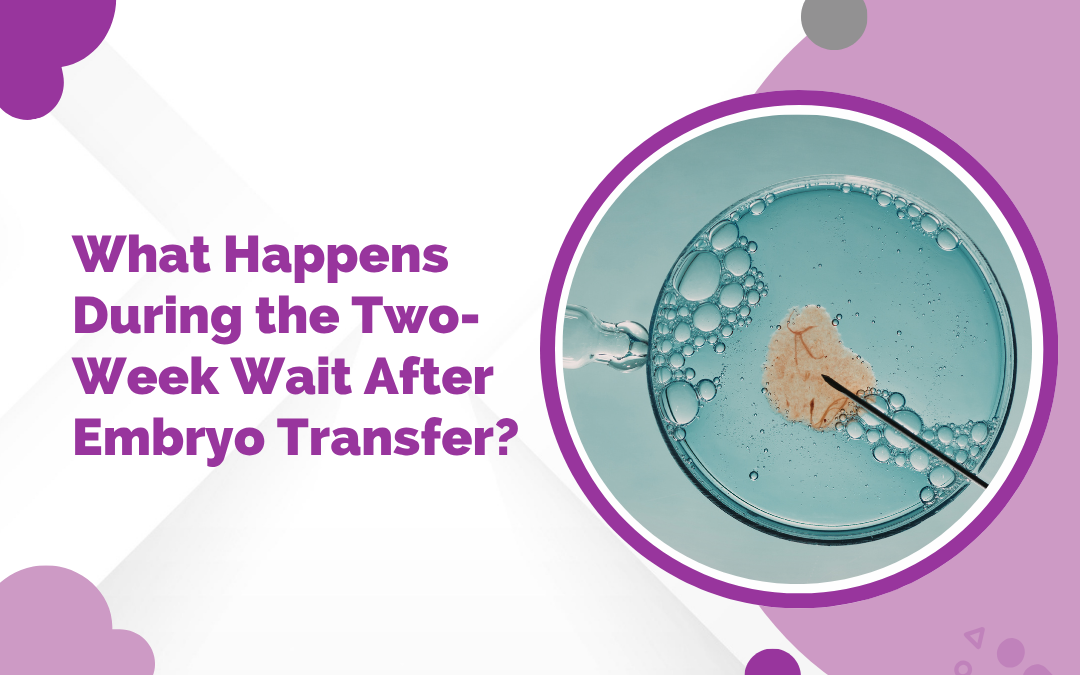
After embryo transfer the blastocyst hatches from its shell and begins attaching to the uterine lining within 1 to 5 days, implantation completes by day 5 to 6, hCG production starts once the embryo burrows into the endometrium, and a beta-hCG blood test at 14 days...
by Dr. Manisha Mehta | May 5, 2026 | Blog
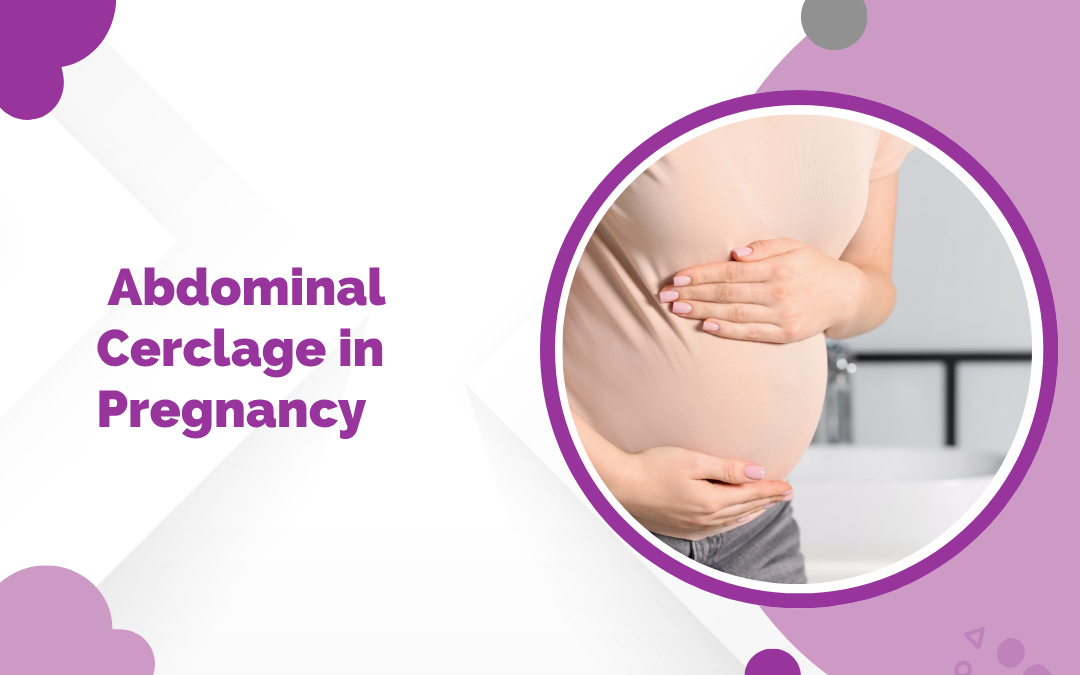
You may have been told your cervix is weak. Or that your previous pregnancy losses happened in the second trimester without a clear explanation. Or maybe a vaginal cerclage has already failed. If you are planning your next pregnancy or even considering IVF, hearing...
by Dr. Manisha Mehta | May 5, 2026 | Blog
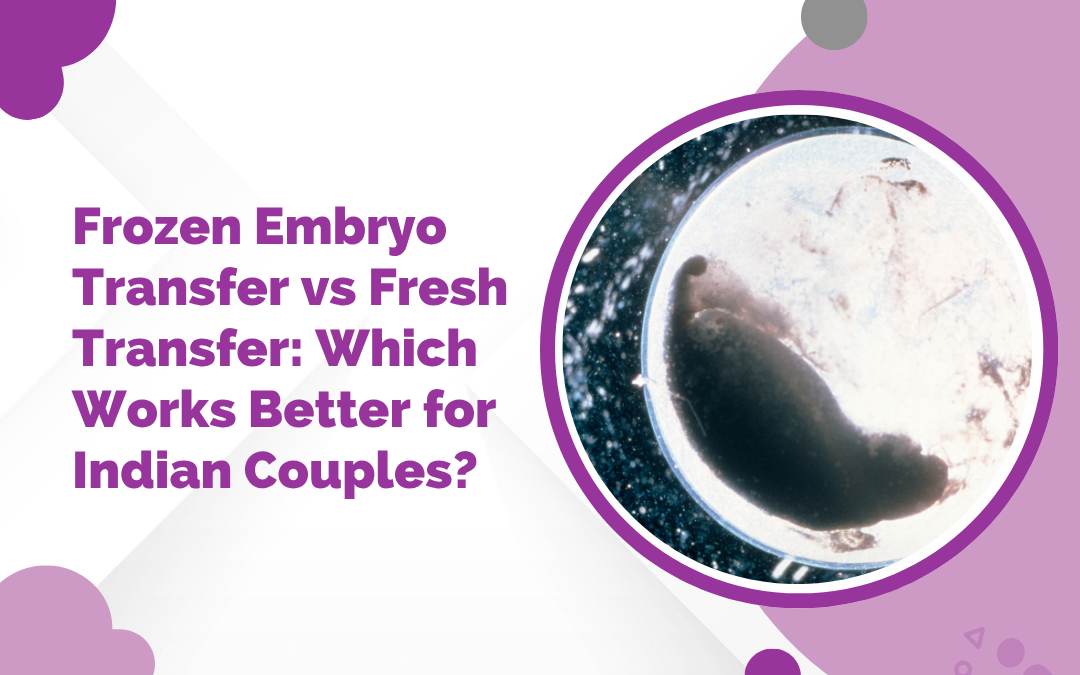
Frozen embryo transfer now matches or exceeds fresh transfer success rates in most patient populations because vitrification technology preserves embryos with over 95 percent survival, and the uterus that receives the embryo has had time to recover from the high...
by Dr. Manisha Mehta | May 4, 2026 | Blog
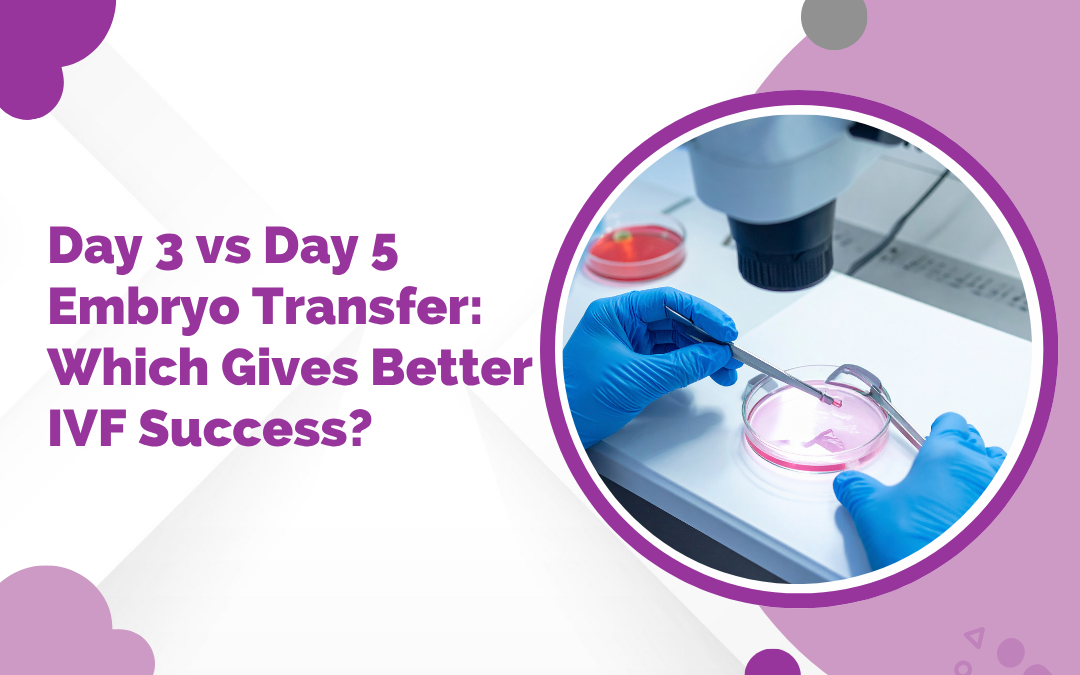
Day 5 blastocyst transfer has higher implantation rates than day 3 because the embryo has already proven it can develop for five days outside the body before anyone puts it back, but published randomised trials show live birth rates between the two are comparable, and...

by Dr. Manisha Mehta | May 3, 2026 | Blog
Moderate exercise of 30 to 60 minutes daily improves fertility by regulating hormones, reducing insulin resistance, lowering stress, and supporting ovulation in women while improving sperm quality in men. Intense exercise exceeding one hour daily or high-impact...
by Dr. Manisha Mehta | Apr 17, 2026 | Blog
India’s IVF journey started on October 3, 1978 when Dr Subhash Mukhopadhyay delivered Kanupriya, the country’s first test-tube baby in Kolkata, just 67 days after Louise Brown was born in the UK. From a single unrecognised procedure that cost its pioneer...
