

Blogs

Do People Travel to India for IVF? A Fertility Doctor’s Honest Answer
If you've searched this question late at night, you're not alone. Maybe you're an Indian couple living abroad, wondering whether to fly home. Maybe...

Do Contraceptive Pills Affect Future Pregnancy?
Almost every week, a woman sits across from Dr. Manisha Mehta and asks the same thing, usually in a lowered voice: "Doctor, I was on the pill for...

Sex During IVF Treatment: What Is Allowed and What Is Not?
Sex during IVF isn't banned across the whole cycle, but it does get restricted at specific points. The follicular phase, before stimulation peaks,...

Sleep Cycle and Conception: How Couple Sleep Habits Affect Fertility?
Sleep does more than rest the body, it's when hormones quietly reset themselves overnight. Under 6 hours a night and male testosterone slides by 15...
Fertility Yoga Poses for Women Over 35 Trying to Conceive
Yoga isn't a fertility cure, it just nudges the right levers, pelvic blood flow, cortisol, and how relaxed the nervous system actually is. After 35,...
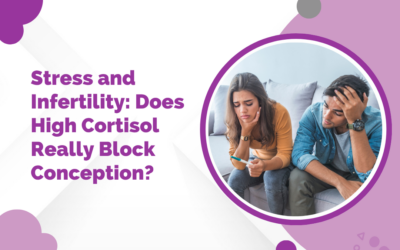
Stress and Infertility: Does High Cortisol Really Block Conception?
Stress affects conception, yes. Just not the way most blogs scream about it. Cortisol does slow down the brain signals running ovulation, weakens...
Cost of Egg Freezing in India: What You Actually Pay vs What You Get?
A single egg freezing cycle in India sits anywhere between ₹1.5 lakh and ₹2.5 lakh at a credible centre. That covers consultation, baseline tests,...
Egg Freezing After 35: Is It Too Late or Still Worth It?
Freezing eggs after 35 isn't too late, but it's a different conversation from doing it at 28. The yield per cycle drops, egg quality dips, and most...
Signs Your Pregnancy Has Become High-Risk and Needs Closer Monitoring
A pregnancy slides into high-risk territory the moment certain numbers move, blood pressure above 140/90, fasting sugar over 92 mg/dl, fetal kicks...
Spotting in Early Pregnancy After IVF: When Should You Worry?
Light pink or brown spotting hits roughly one in four IVF pregnancies in the first trimester, and most of it is harmless. The worry begins when...
