Recurrent miscarriage is not always a female problem. Sperm DNA fragmentation, chromosomal abnormalities like balanced translocations, elevated reactive oxygen species, and low testosterone can all damage embryo development and placental formation, with research...
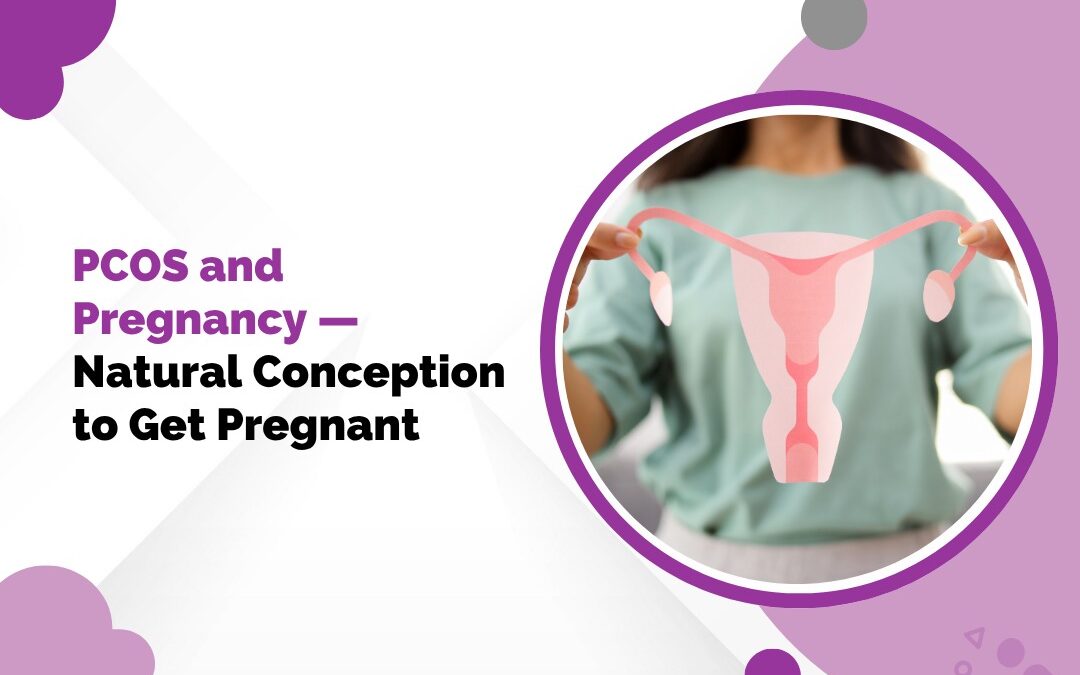
Yes, natural pregnancy with PCOS is possible. PCOS affects 1 in 10 women and is the leading cause of anovulatory infertility, but over 60 percent restore spontaneous ovulation through lifestyle modification alone, and first-line medication like letrozole achieves...
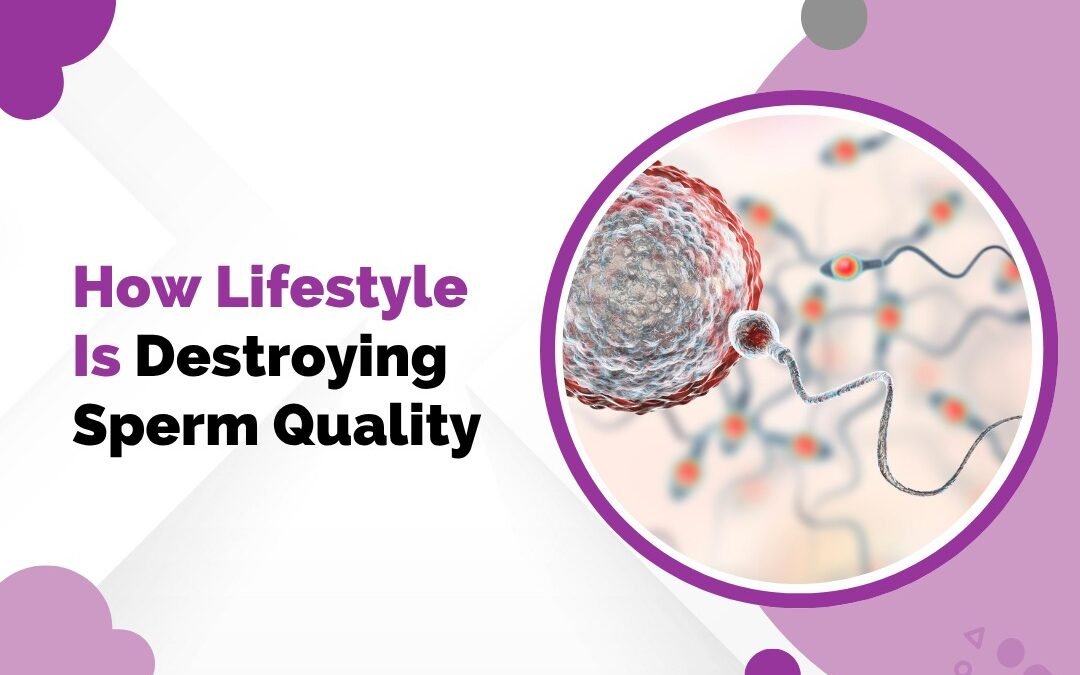
Smoking, obesity, excessive alcohol, chronic stress, heat exposure, anabolic steroids, environmental toxins, and sleep deprivation are actively destroying sperm count, motility, morphology, and DNA integrity through oxidative stress and hormonal imbalances. These are...
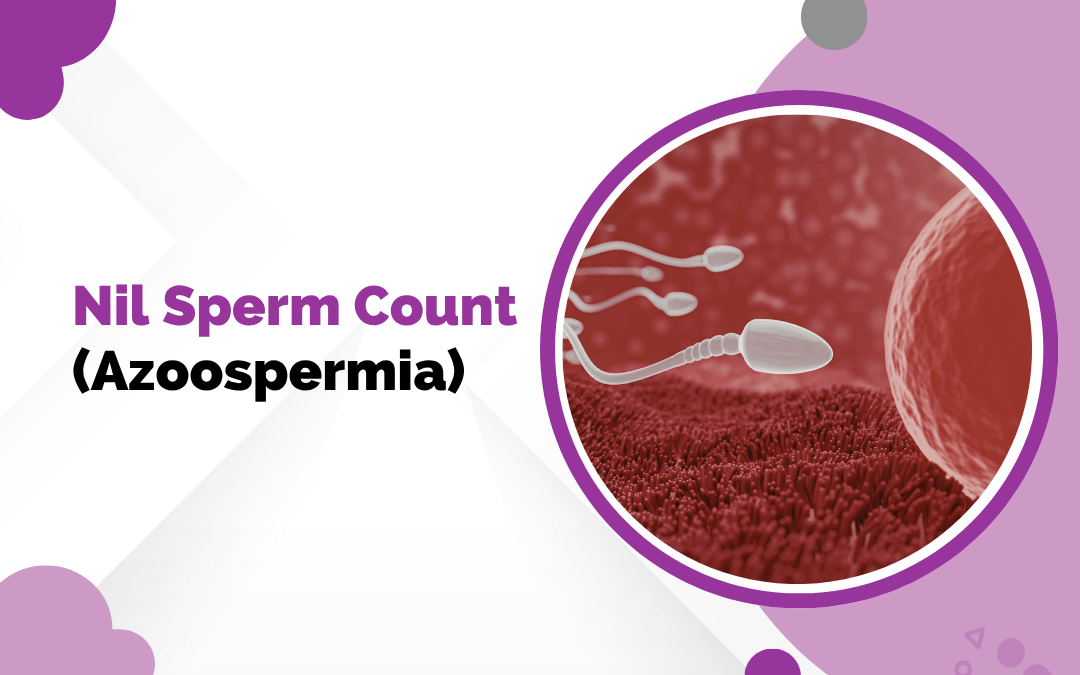
No, nil sperm count does not always mean permanent infertility. Azoospermia affects about 1 percent of all men and 10 to 15 percent of infertile men, but biological fatherhood remains possible through surgical sperm retrieval, hormonal therapy, or IVF with ICSI...
Most couples require two to three IVF cycles to achieve clinical pregnancy, depending on maternal age, ovarian reserve, embryo morphology, and endometrial receptivity. Per-cycle live birth rates are 40 to 50 percent under 35, 25 to 35 percent between 35 and 40, and 10...