PCOS Treatment in India
Polycystic Ovary Syndrome (PCOS) is one of the most common hormonal conditions in women of reproductive age, affecting roughly one in five Indian women. It can show up as irregular periods, stubborn weight gain, acne, excess facial hair, or difficulty conceiving — and for many women, it’s a mix of all of these. If you’re looking for PCOS treatment in India that goes beyond a strip of pills and a vague “lose some weight,” you’re in the right place.
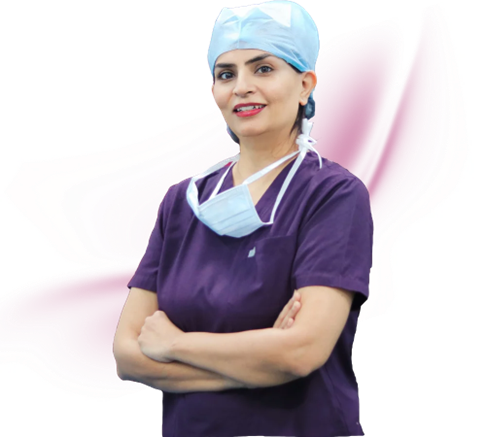
Dr. Manisha Mehta, a leading Gynaecologist and IVF Doctor in India, has spent over 20 years treating women with PCOS — from teenagers with irregular cycles to women trying to conceive after years of frustration. Her approach is simple: treat the woman, not just the report.
“PCOS is not a sentence — it’s a condition we manage together. Every patient’s fertility journey is unique, and my job is to find the path that works for her body, not force her body onto a standard path.” — Dr. Manisha Mehta, Gynaecologist & Obstetrics Specialist, IVF Doctor in India
PCOS Treatment Options Offered

Lifestyle and Hormonal Management
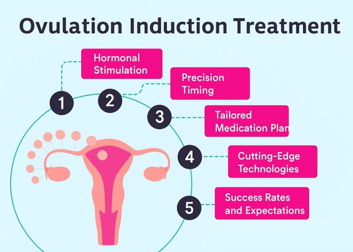
Ovulation Induction for Women Trying to Conceive
PCOS is the most common cause of ovulation problems, but it’s also one of the most treatable. Ovulation-inducing medication, carefully monitored through follicular scans, helps many women with PCOS conceive naturally — often within a few cycles.
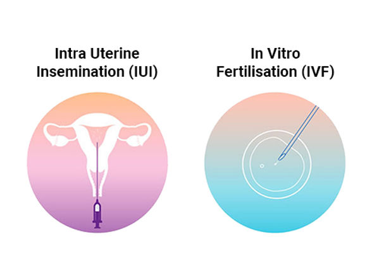
Fertility Treatment — IUI and IVF
When ovulation induction alone isn’t enough, IUI treatment is often the next step. For women with additional factors — age, low AMH, tubal issues, or male factor infertility — IVF treatment offers the highest chance of success. Dr. Mehta designs stimulation protocols specifically for PCOS patients, where the real skill lies in getting good eggs while avoiding overstimulation (OHSS), a known risk in PCOS.
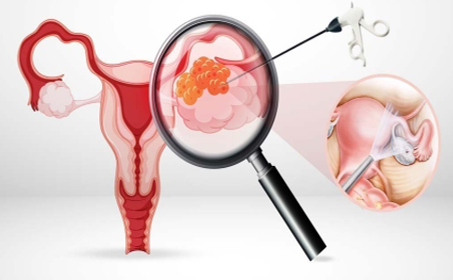
Laparoscopic Ovarian Drilling (Select Cases)
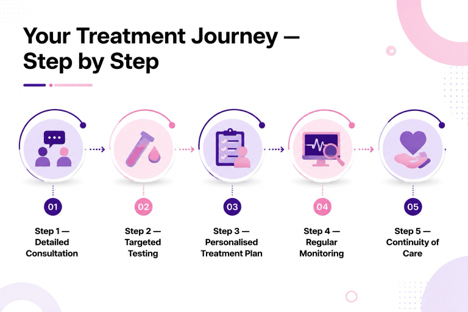
Your Treatment Journey — Step by Step
Here’s exactly what to expect when you begin PCOS treatment with Dr. Mehta:
Step 3 — Personalised Treatment Plan: A clear plan built around your reports and your priorities, with every recommendation explained.
Step 4 — Regular Monitoring: Follow-up scans and reviews to track how your body is responding, with honest course-correction if something isn’t working.
Step 5 — Continuity of Care: The same doctor throughout your journey — from your first consultation to your treatment goal.
PCOS Is Now Called PMOS — Same Condition, Better Name
Yes, PCOS has been officially renamed. Under a 2025 international consensus, the condition is now called Polycystic Metabolic Ovarian Syndrome (PMOS) — a name that better reflects what it really is: a metabolic and hormonal condition, not a disease of ovarian “cysts.”
Nothing about your diagnosis or treatment changes; only the name does. Whether your reports say PCOS, PCOD, or PMOS, it’s the same condition — and it’s manageable. Read Dr. Mehta’s full explanation of [the PCOS-to-PMOS renaming](INSERT PMOS BLOG URL).
“The new name is actually good news for patients. For years, women worried about the word ‘cysts’ on their reports. PMOS finally tells the truth — this is a metabolic condition, and metabolic conditions can be managed.” — Dr. Manisha Mehta, Gynaecologist & Obstetrics Specialist, IVF Doctor in India
Have questions about your reports or symptoms? Talk to Dr. Mehta Today — Call 9619642000
Specialised PCOS Treatment by Dr. Manisha Mehta
Your cycles, your skin, your fertility — all of it is treatable. Schedule Your Fertility Assessment with Dr. Manisha Mehta
Why Women Across India Trust Dr. Manisha Mehta
20+ years of experience in gynaecology, PCOS management, and assisted reproduction
MBBS, MD, DNB — with memberships of ASRM, ESHRE, FOGSI, ISAR, and MNAMS
85% IVF success rate, including complex PCOS and low AMH cases
Pioneer in Haryana — credited with the region’s first IVF baby, first ICSI baby, and first IVF twins, milestones that put Sirsa, Haryana on India’s fertility map
Trusted across North India — women travel to her from Haryana, Punjab, Rajasthan, and Delhi NCR
Patient-first reputation — patients consistently describe her as warm, intuitive, and deeply compassionate; a doctor who listens first and prescribes second
FAQs
Starting IVF?
Here Are the Answers
You’re Looking For
Curious About IVF? Let’s Talk.

Mail Us
apexmedia2001@gmail.com