IUI Treatment in India
Intrauterine Insemination (IUI) is a simple, effective, and less invasive fertility treatment often used for couples who have difficulty conceiving naturally. It involves placing sperm directly into the uterus during the woman’s ovulation period to improve the chances of fertilization. For couples facing male infertility, unexplained infertility, or ovulatory dysfunction, IUI treatment in India can be a first-line option before considering more advanced procedures like IVF.
Dr. Manisha Mehta, a leading IVF doctor in India, emphasizes the importance of understanding each patient’s unique fertility journey: “IUI is often the first step in assisted reproduction. It offers a less invasive solution, with good success rates for many couples dealing with mild fertility issues.”
What Is IUI and When It Is Used
IUI (Intrauterine Insemination) is a popular and less invasive fertility treatment.
It involves placing sperm directly into the uterus during ovulation to increase the chances of fertilization.
It is commonly used when there are issues such as low sperm count, unexplained infertility, or female infertility factors, such as blocked fallopian tubes.
Who Is a Suitable Candidate for IUI
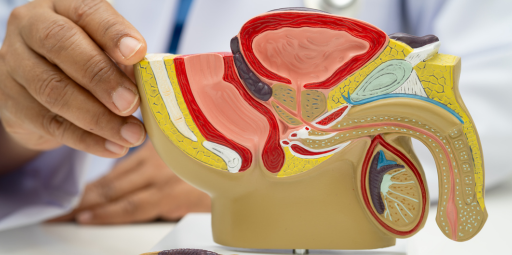
Mild male infertility (low sperm count or motility)
IUI helps by placing specially prepared sperm directly into the uterus, improving the chances of fertilization despite reduced sperm numbers or movement.

Unexplained infertility
When standard fertility tests appear normal but pregnancy has not occurred, IUI may enhance natural conception by optimizing timing and sperm placement.
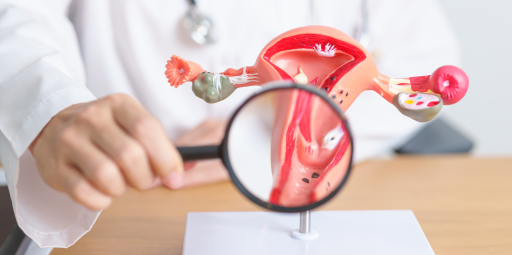
Cervical factor infertility
IUI bypasses cervical mucus issues that may prevent sperm from reaching the egg naturally.

Ovulatory dysfunction in women
Women with irregular or absent ovulation may benefit from IUI when combined with ovulation-inducing medications.
Book an appointment to determine if IUI treatment is the best option for your fertility needs.
IUI Treatment Process Step by Step
The IUI treatment process involves several important steps:
1. Ovarian Stimulation:
2. Monitoring:
The doctor will monitor your cycle with ultrasounds and blood tests to determine the right time for insemination.
3. Sperm Preparation:
4. Insemination:
IUI Success Rates by Age and Diagnosis
| Age Group | Typical Success Rate | Factors Impacting Success |
| Under 35 Years | 15-20% | Higher fertility potential, optimal ovarian reserve |
| 35-40 Years | 10-15% | Reduced ovarian reserve, age-related factors |
| Over 40 Years | 5-10% | Decreased fertility potential, lower egg quality |
IUI Treatment Cost in India
Location and hospital: Costs differ by city and healthcare facility.
Medication: Ovulation stimulation medications add to the overall cost.
Sperm Washing and Preparation: Lab processes can increase the cost.
On average, IUI cost in India typically ranges from INR 10,000 to INR 30,000 per cycle, but this can vary.
Limitations and When IVF Is Recommended Instead
Severe male infertility (e.g., very low sperm count or motility)
Fallopian tube damage or severe endometriosis
Multiple unsuccessful IUI cycles
Reach out to us now for personalized advice on your fertility options and a detailed plan tailored to your specific needs.
FAQs
Starting IVF?
Here Are the Answers
You’re Looking For
Curious About IVF? Let’s Talk.

Mail Us
apexmedia2001@gmail.com