

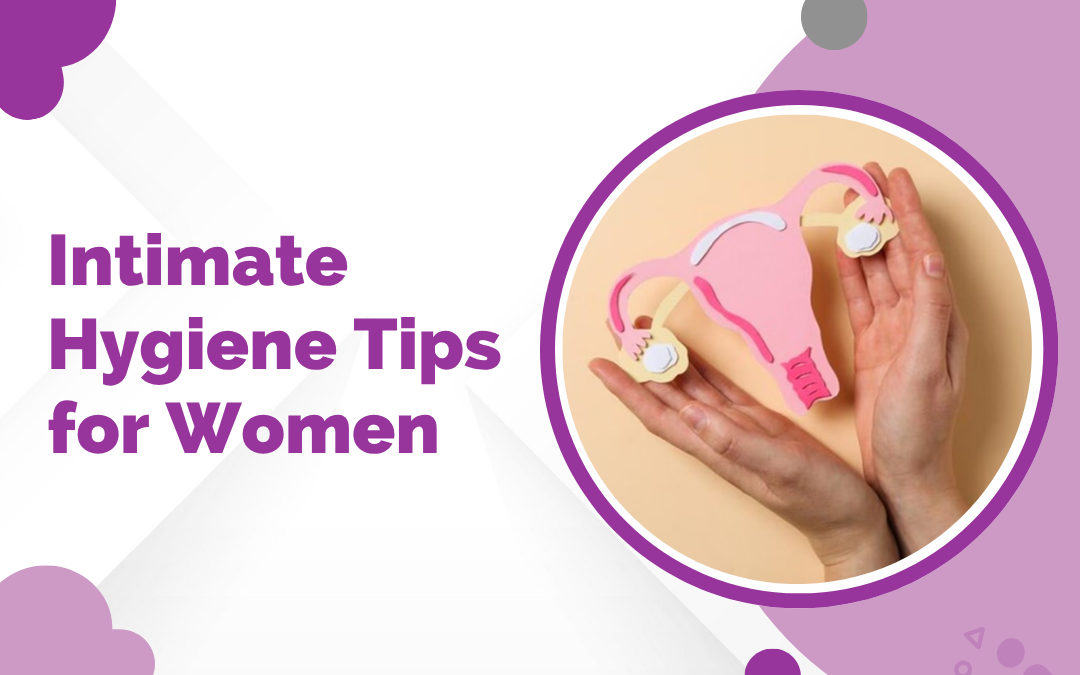
Daily intimate hygiene for women means cleansing the external vulva with warm water or mild unscented soap, because the vagina is self-cleaning and does not need any product to do its job. Key habits include wiping front to back, wearing breathable cotton underwear, changing menstrual products every 4 to 6 hours, and avoiding douching, scented sprays, or powders that disrupt the natural pH balance protecting against infections.
According to Dr. Manisha Mehta, IVF Doctor in India, “The number of patients I see with recurrent infections caused by intimate wash products they bought because an Instagram ad made them feel dirty is genuinely alarming, and the first thing I tell them is to throw the bottle away and go back to plain water.”
What Should Your Daily Intimate Hygiene Routine Actually Look Like?
The vagina is self-cleaning and does not need assistance from any commercially marketed product, and most infections that present in gynaecology clinics trace back to overcleaning with the wrong products rather than insufficient hygiene.
- Warm water only: A significant percentage of recurrent infection cases in clinical practice resolve permanently once the patient stops using intimate wash products, because lukewarm water on the vulva is all that is medically indicated and any cleanser entering the vaginal canal strips the lactobacillus bacteria that constitute the primary defence against yeast and bacterial overgrowth.
- Front to back: The number of adult women in India who were never taught which direction to wipe after using the toilet remains disproportionately high, and anal bacteria migrating toward the vaginal opening is the single most preventable cause of UTIs, yet it presents repeatedly in patients whose families simply never had this conversation.
- Cotton underwear: Every May through September gynaecology clinics across India see a predictable spike in vulvovaginal candidiasis, and the common thread among these patients is synthetic underwear worn through summer humidity, because nylon and polyester trap moisture against the skin and create the warm damp conditions Candida requires to overgrow.
- Change frequently: Twice daily during discharge or heat, and during periods swap pads every 4 to 5 hours without exception, because the bacterial load on a sanitary pad after 6 to 8 hours of contact with menstrual blood and body heat reaches levels that would alter most patients’ habits immediately if they understood what was accumulating against their skin.
Women dealing with recurrent infections that interfere with conception should resolve the underlying cause before starting IVF treatment in India because untreated vaginal infections compromise embryo transfer success rates.
What Common Mistakes Make Intimate Hygiene Worse Instead of Better?
30 to 70 percent of women worldwide douche regularly according to published studies, and in India the taboo around discussing vaginal health combined with aggressive intimate wash marketing means women are destroying their vaginal flora while genuinely believing they are maintaining it.
- Douching: Patients have presented after years of douching with diluted Dettol or vinegar on advice from family members, arriving with chronic bacterial vaginosis and vaginal pH so disrupted that treatment took months, which is exactly why ACOG and every major gynaecological body recommends against introducing any solution inside the vaginal canal.
- Scented products: The intimate wash industry creates the problem it claims to solve, because vaginal odour in the majority of cases presenting clinically is caused by pH disruption from the products themselves, and the patients with the most severe flora damage are consistently the ones using the most products rather than the least.
- Overwashing: Scrubbing the vulva with a loofah or antibacterial soap strips the exact protective bacteria that prevent infections, and women who wash three times daily during summer specifically targeting the intimate area present with worse flora disruption than women who wash once with plain water, because the vaginal defence system was not designed for repeated daily demolition and reconstruction.
- Tight clothing: Skinny jeans at work, synthetic leggings at the gym, then directly to bed without changing, this pattern traps heat and moisture against the vulva for 16 hours in a country where ambient temperature already compromises vaginal health for six months of the year, and the recurrent infections that follow respond to antibiotics temporarily but only a clothing habit change resolves them permanently.
Vaginal health directly impacts fertility, and women managing conditions like PCOS and pregnancy need their flora balanced before conception because hormonal imbalance already alters vaginal pH. Any good IVF center in India screens for vaginal infections as standard preconception protocol.
Why Choose Dr. Manisha Mehta?
Dr. Manisha Mehta has over 20 years treating women across reproductive health including recurrent vaginal infections, with an 85% IVF success rate, and she addresses intimate hygiene as part of every fertility consultation because she has seen too many embryo transfers fail in women whose vaginal environment was compromised by infections they did not even know they had. Recognised among the best IVF specialists in India for her thorough preconception protocols, she treats vaginal health as foundational to fertility rather than as a separate issue.
Call Now: +91 91680 39000
Your recovery is personal. Let us keep it that way.
Book Your Personal Post-Op Review with Dr Manisha Mehta
Frequently Asked Questions
1. Is it safe to use intimate wash products daily?
Most intimate washes disrupt vaginal pH and are unnecessary because lukewarm water on the external vulva is all that is medically recommended.
2. Why do I keep getting yeast infections despite good hygiene?
Overcleaning, scented products, synthetic underwear, and douching are the most common causes of recurrent yeast infections in women who believe their hygiene is adequate.
3. Does vaginal health affect fertility?
Untreated vaginal infections can compromise cervical mucus quality, embryo implantation, and increase risk of early pregnancy loss.
4. How often should I change my pad during periods?
Every 4 to 5 hours regardless of flow, because menstrual blood combined with body heat creates bacterial growth that worsens with every additional hour of contact.
You deserve answers from a doctor who knows your case.
Whether you are worried about a symptom, overdue for a check-up
I am here, and I am listening.
Talk to Dr. Manisha Mehta. Book Your Consultation Today.
Medically Reviewed by

Dr. Manisha Mehta
Gynaecologist & Obstetrics Specialist,IVF Doctor in India
Specialisation: Minimally Invasive Gynaecological Surgery | Women’s Health | Post-Operative CareApex Hospital -Sirsa, Haryana | Serving Delhi NCR, Haryana & surrounding regions
Reference link:
- Vulvovaginal hygiene practices and their impact on vaginal health
https://pubmed.ncbi.nlm.nih.gov/19104270/ - Vaginal microbiome and its role in health and disease
https://www.ncbi.nlm.nih.gov/pmc/articles/PMC3780402/


10betcasino is a decent place to throw some money around. They got a lot of the familiar games and have some interesting promos every now and then. Give them a test run: 10betcasino
Gotta love betobetapp for its mobile-friendly experience. Placing bets on the go is a breeze, and the app is always updated. Never had a bad experience so far! Give them a try betobetapp
If you are looking to find a place to relax and bet, then chillbetnet is for you. It has many options to consider. Sign up today chillbetnet
http://farmaciabesurica.com/# top farmacia online